

Early Warning Systems (EWS)
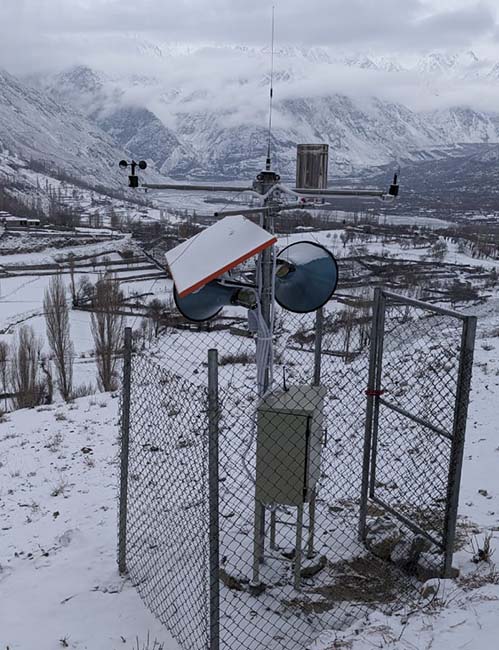
The Community-Based Flood Early Warning System (CBFEWS) provides a reliable, people-centered solution to address the “last kilometer” challenge in flash-flood preparedness. Designed to ensure no household is missed and no individual is left behind, the system integrates simple rain-gauging units, water-level monitoring stations, indoor alarms, early-warning display screens, flood-control broadcasts, and wireless relay stations.
CBFEWS supports disaster risk reduction (DRR) through a wide range of technologies, including satellite rainfall estimation, satellite-based flood early warnings, flood-inundation modeling, and hydrological prediction models. Enabled by wireless communication, CBFEWS is a powerful, community-driven solution that minimizes flood risks and enhances local preparedness.
What Is a Community-Based Flood Early Warning System (CBFEWS)?
According to UNEP, early warning is the timely and effective delivery of information that enables people exposed to hazards to take action and reduce risk. Similarly, UNISDR defines early warning as the capacity to generate and disseminate meaningful warning information so communities can prepare and respond.
CBFEWS is a community-managed, real-time flood warning system that uses simple, low-cost, people-centered technology. It enables upstream communities and local authorities to disseminate rapid alerts to downstream populations, giving critical lead time to prepare, evacuate, and safeguard life and property.
When properly designed and implemented, CBFEWS dramatically improves community resilience by ensuring timely actions at the ground level.
Key Elements of CBFEWS
In line with the UNISDR framework, CBFEWS consists of four interconnected components—each essential for a complete and effective early-warning system:
- Risk Knowledge
- Monitoring and Warning Services
- Dissemination and Communication
- Response Capability
Features of CBFEWS
People-Centered Approach
Community members, vulnerable groups, and district authorities are involved in planning, implementation, monitoring, and dissemination of warnings—ensuring ownership and sustainability.Low-Cost, Locally Maintainable Technology
The system is designed for easy manufacturing, repair, and maintenance at the local level.
(Approximate initial cost: USD 1000 as of May 2015.)Near Real-Time Warning
Upstream communities relay water-level and rainfall information instantly to downstream areas as conditions worsen.
Points to Remember
Lead Time: Alerts must allow adequate time for preparedness and evacuation.
Shelter Zones & Rescue Routes: Safe zones and evacuation routes must be identified beforehand.
Instrument Readiness: Regular testing, maintenance, and updates are essential for reliability.
Community Willingness: People must be informed, trained, and ready to act upon warnings.
Main Features of the System
Fully solar-powered and designed for continuous operation
Utilizes wireless communication for rapid data transfer
Generates early warning sirens within 5 minutes of heavy rainfall or rising water levels
Includes four severity-level alarms for graded alerts
Sends automated SMS notifications to disaster management authorities and concerned departments
Provides night-vision camera feeds focused on critical water bodies, viewable on community laptops

